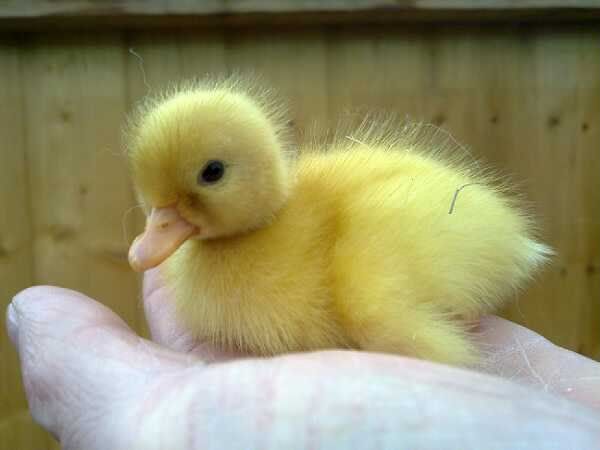
When we think of feathers we often associate them with cute and cuddly things, like this:
 |
| Baby Albatross |
 |
| super cute duckling |
 |
| Soaring eagles |
or comfy things like this:
 |
| mmmm bed... |
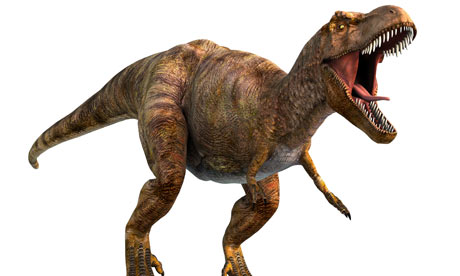
but feathers are rarely thought of in association with this:
 |
| dinosaurs? whaaaaat!? |
But this last picture is what i think is the coolest! And the evolution of feathers in dinosaurs was definitely their finest moment! But feathers on dinosaurs were not for the mechanism of flight, so what were they used for? Many
theories are argued today including sexual dimorphism (differences in colour between make and female), camouflage, sexual
selection (the prettier you look the more likely to find a mate), and heat retention. However, to be associated with heat retention it
also comes in combination with endothermy (warm bloodedness), but dinosaurs are commonly thought
of as cold blooded animals.
Feathers evolved first in Theropods. Theropods were carnivorous dinosaurs that
ruled the Earth from the beginning of the Jurassic Period to the end of the
Cretaceous. They were the dominant predators on every continent during this
time, however, there was also some omnivore and herbivore theropods. They
include the largest carnivores ever recorded, and also some very small
theropods. These smaller groups included those that evolved feathers and are
the predecessors of birds today (Brett-Surman et al, 2012).
Theropod fossils have
been found in various locations world
wide, however, none compare to the standard of the fossils found in North
Eastern China, at the Lower Cretacious Yixian and Jiufotang Formations, that
together make the Jehol Group. The Jehol Group shows an
exceptionally wide range of fossils that are extremely well preserved, giving
us almost an entire Cretacious ecosystem and further insight into the
relationship between Theropods and birds. These fossils
include Theropod dinosaurs, early birds, mammals, invertebrates and a diverse flora, including the oldest
flowering plant.
The Jehol group was deposited in
freshwater lakes, with very low energy and no tidal influence, so the fossils
were generally unbroken and well preserved. They are deposits of fine shales
and sandstones, including segments of fine volcanic ash, or tuffs, that are
occasionally crosscut with dykes and sills. The high levels of volcanic
activity provided the ideal environment for fossil preservation as the dead
organism would fall into the lake and rapidly be covered in volcanic ash falls,
creating an anoxic environment (an environment with no oxygen present) around the organisms, which inhibited bacterial
decay and also other burrowing organisms from disturbing the remains. The age of the Jehol group is somewhat debated, with different ages
ranging from the Late Jurassic to Early Cretaceous depending on biostratigraphy
dating or radiometric dating of the volcanic sediments but the general excepted
age is in the middle early Cretaceous.
Theropod fauna preserved here are very
significant as they are some of the very few dinosaur fossils in which their
feathers have been preserved to such a high standard. Feathers
are rigid branched structures, formed around a hollow, keratin shaft and
exhibiting a complex branched structure.
Until recently, these were presumed to be an elongation of broad, flat scales,
and that their evolution was driven through the selection for gliding or
flapping flight. However, evidence from fossils in the Jehol Group has shown
that early feathers were not elongated scales but rather started as a single
filament-like structure, evolving to more complex branched structures and a
true feather appearance at a later stage.
These
fossils have become the verification of the hypothesis that birds are
descendents of dinosaurs, specifically Theropod dinosaurs. This was already accepted, to an extent, as dinosaur bones
and bird bones are so similar but now it is more tangible as their feather
structure is also strikingly similar.
The Jehol group has a diverse range of Theropod
fauna, with fossils showing filamentous structures, considered to be the precursors to true feathers. Also others that have feathers where a central rachis supports a branching pattern of barbs, which seem
to be of a modern appearance. However these animals had clearly not yet
breached the mechanism of flight as they lacked certain flight specialisations needed today such as, asymmetrical feathers and a large sternum.
That leaves the question of why feathers
evolved if not for flight? Today bird feathers are known to have a diverse
array of functions apart from flight, such as camouflage, sexual dimorphism,
warmth and sexual selection, so one could postulate that these functions were
the original use of early feathers. Let's look further into some of these theories...
Sexual dimorphism has been postulated due
to the evidence from the well preserved, and abundant fossils of the Confuciusornis
sanctus in the Jehol Group. Some specimens show ornamental rectrices, which
represent tail feathers, and some without, indicating a presence or absence of
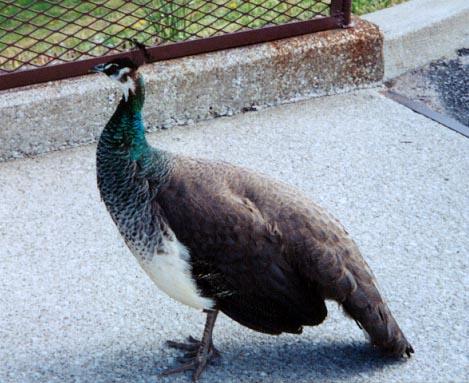
long tail feathers in the same species. Today we see long tail feathers showing sexual dimorphism in peacocks, where the males have the long and beautiful tail. Recovery of bone tissue from these fossils show what is known to be a unique
bone tissue to reproductively active females, the medully bone. The Medully bone is a reservoir for egg-shell calcium and is the most
oestrogen dependant of all bone types. This bone tissue was
found in accordance with the absence of long tail feathers, therefore leading
to the conclusion that early feathers were in fact utilized for sexual
dimorphism, where a long tail in the dinosaurs was a sign of a male, just like peacocks today!
 |
| Male Peacock |
 |
| Female peacock - called the peahen. |
Evidence
for sexual selection or camouflage has been found too. Melanin containing organelles, called melanosomes, have been
found and contain key information in determining the feather colour. Samples from one specimen indicated varying colours over the Theropods body, suggesting a pretty pattern for sexual selection or colour variation for camouflage. Today feather colouration is
used for display, communication, or camouflage in birds, whether that be for
sexual selection or as a defence mechanism, early feathers may have also had these functions before
they became a mechanism of flight.
 |
| The bird of paradise attracting its mate with pretty feather colours that even look like a smiley face, evolution - you rock! |
Feathers may have also been used in heat
retention. Today, many birds depend on feathers for their great heat retention
properties (like penguins!), which leads to the postulation that this is another trait in which
feathers evolved for in the dinosaurs, however this is a heavily debated
theory. Dinosaurs were supposedly cold blooded, ectotherms, and like
ectothermic reptiles today would sun themselves to reach normal body
temperatures rather than covering themselves with something warm, such as
feathers. It has been postulated that the Theropods were in fact warm blooded
endotherms, and the presence of these feathers are an indication of that.
Before going into this argument, what is endothermy really? Endothermy is defined by having elevated
rates of metabolism, about 5 – 15 times greater than that of ectotherms. This
is the main heat source and enables endotherms to maintain stable body
temperatures. Most endotherms also have a greater stamina for physical activity
than ectotherms with a higher rate of lung ventilation and oxygen consumption,
while ectotherms are capable of short bursts of high energy, endotherms are
able to sustain this energy, to levels well beyond that of ectotherms. Therefore, evolution towards endothermy was extremely
valuable as it provides many more benefits than ectothermy.
So the postulation seems valid and plausible that evolution would move in this direction, however,
the presence of feathers on Theropod fossils is not enough evidence to assume
that the feathers function was to retain heat and just presume endothermy. Some
extant birds today will sun themselves in the morning to warm in an ectothermic
way to reach normal body temperatures. For example, the roadrunner, although having a fully
feathered body, has a temperature drop at night in low ambient temperatures,
causing its body temperature to drop by up to 4°C and then after sunrise it will raise its feathers to expose poorly
feathered parts of its body and warm ectothermicaly to a normal body
temperature.

True
evidence of endothermy is difficult to come by in fossil taxa as it is almost
exclusive to soft tissue anatomy, which is usually nonexistent in the fossil
record. To prove endothermy researchers established signals of growth rates of
fossils by assessing their bone types, because fast growth rates are somewhat
associated with fast metabolic rates. However this theory was disproven due to
flawed correlation of certain bone types with any particular growth rate.
Another argument was oxygen isotopes in bone phosphate interpreted body
temperatures, however due to uncertainties of changes in isotopes during
fossilization process and flawed assumptions, this was too disproven. Several
other methods have relied on evidence from brain size, heart size, skeletal
posture and so on, but have also been disputed.
Evidence has been found to
support the claim that they were in fact ectothermic animals due to the absence
of respiratory turbinates (things that endotherms have). These are found in the nasal cavities of endotherms
but the narrow nasal cavities of ectotherms mean there is simply not enough
room for turbinates in the nasal cavity. With CT scans of the Theropod nasal
cavity it was found that they were also too narrow to possess turbinates, and
in addition had large sinuses, limiting space in the nasal cavity to an even
further extent. This theory seems more credible, to date, and leads to the
postulation ventilation rates were at ectothermic rates in Theropods.
What feathers actually evolved for is a heavily debated topic. However, my personal opinion is that feathers did evolve before
flight for use in the many other functions that they provide today, as discussed above. I think
that endothermy evolved after flight evolved, with selection for higher
physical stamina for longer flights. However, in saying that, I think that the
presence of feathers would have definitely had an impact on the
thermoregulatory strategies of these animals and played an important role in the
evolution of endothermy. Nevertheless, feathers were present in dinosaurs, which were predecessors of birds.. so in a way we are still living amongst dinosaurs (descendants)!
Thanks for reading,
Rach

No comments:
Post a Comment